
If you’re choosing a preschool right now, you’ve probably read enough checklists to last a lifetime: letters, numbers, colors, shapes, can they hold scissors, can they sit still. Here’s what those checklists miss. Kindergarten readiness isn’t something a child accumulates by memorizing enough facts. It’s a posture: curious, engaged, willing to try, fail, and try again. Most preschool programs still aren’t built to grow that posture, and that gap is exactly why we built Growing Brilliant differently.
What does kindergarten readiness actually mean for my child?
Kindergarten readiness means your child can approach something new with curiosity instead of hesitation, not that they’ve memorized a fixed list of letters, numbers, colors, and shapes. Those academic building blocks matter, but they’re the byproduct of readiness, not the definition of it. A child who is truly ready for kindergarten is one who has practiced trying, failing, and trying again, in a setting that made that feel safe and worth doing.
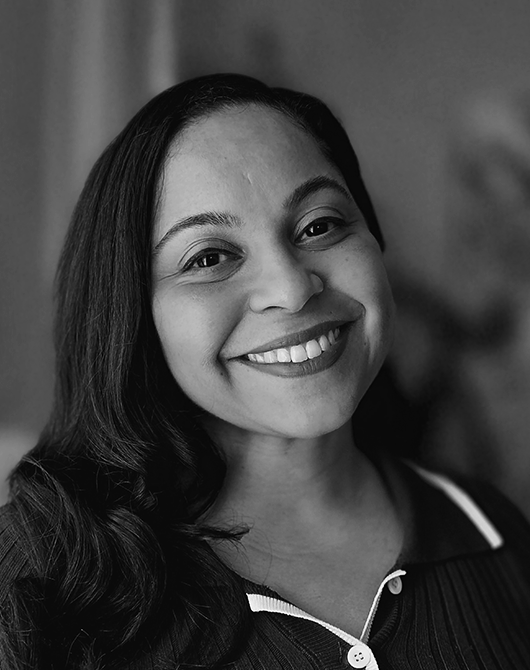
As a teacher, a principal, and now an operating partner in Growing Brilliant, I’ve spent thirty years watching this play out, and the lesson never changes: the best idea in education means nothing if it never actually reaches the child in front of you. That’s the question we built Growing Brilliant around.
Why does my child’s preschool classroom look exactly like the one I remember?
Most preschool classrooms still measure readiness by what a child can recite, not by how a child engages, because worksheets and circle-time routines are easier to standardize than curiosity is. Kids sit. They wait. They follow directions. Somewhere along the way, classrooms started building compliance instead of building the habit of exploration, and children became passengers in their own education instead of navigators of their own learning journey.
You’ve probably felt this yourself: a child who says they don’t want to go, a morning that turns into a fight before you’ve even left the house. That’s not defiance. It’s often a child telling you, in the only way they know how, that the room isn’t giving them anything to be curious about. It’s part of why schools nationwide are dealing with a chronic absenteeism problem. When a place doesn’t feel worth going to, kids and families stop going.
Does the research back this up, and what does it mean for my child?
It does, and it matters more than most parents realize. The most recent national testing data found that American teenagers’ math scores dropped to some of the lowest levels ever recorded, and that kids’ sense of belonging at school has been sliding for years, especially for the kids who could least afford it. Researchers also found something worth sitting with: kids who feel like they belong are also more confident learning on their own, without someone managing every step for them. Belonging and independence go together.
That trajectory doesn’t start in high school. It starts with whether a two, three, or four year old is ever handed the chance to be curious, and supported while they figure something out for themselves. That’s the window we’re focused on, while your child is still young enough for it to make the biggest difference.
Isn’t virtual preschool just more screen time for my child?
Live, teacher-led virtual preschool isn’t the same as passive screen time, because the difference is whether that time is designed to hold your child’s attention or to grow it. We understand the hesitation. “Screen time” has become a dirty word for parents, and often for good reason, since most of what shows up on a screen is built to keep a child watching, not to teach them something.
Growing Brilliant classes are live: a real teacher who knows your child by name, a real small group of peers, and real-time back and forth, not a feed that plays whether your child is watching or not. That’s not screen time the way most parents mean it. It’s a classroom that happens to live on a screen. It’s also consistent with what that same research found: smaller classes, with fewer kids per teacher, are linked to a stronger sense of belonging. That’s exactly the structure we built Growing Brilliant’s small groups around.
Does Growing Brilliant actually work?
Yes. Children who attend Growing Brilliant’s live virtual classes consistently for a year see up to 35 percent greater improvement in early reading and math skills, compared to peers who attend no preschool at all. In just six weeks of consistent attendance, families see up to 15 percent improvement in those same early skills.
Each 45-minute session is a microdose of structured learning disguised as play, tightly designed around a specific skill: small enough to hold your child’s attention completely, and potent enough to move the needle on real outcomes. Beyond the academic gains, children build social-emotional skills like empathy and self-control through live group interaction, develop digital confidence safely in an age-appropriate, teacher-led setting, and build the foundation for school and life readiness through structure and routine. Underneath all of it, they build something no worksheet can measure: a lit-up, durable love of learning.
How do I know where my child stands right now?
Start with our free, three-minute developmental assessment for children ages 2 to 6. It looks at the areas that matter most for early learning and kindergarten readiness: language and communication, social-emotional development, cognitive skills and problem-solving, and physical development. You’ll get an instant, personalized report showing exactly where your child is thriving and where gentle support could help, plus expert recommendations and age-appropriate activities you can start at home today, whether or not your child ever takes a Growing Brilliant class.
Nearly 90 percent of a child’s brain architecture forms between birth and age five, which is exactly why these years carry so much weight. Three minutes won’t tell you everything. It will tell you where to focus, and that’s worth having before kindergarten, not after. Take the free assessment.
Is Growing Brilliant right for my family?
Growing Brilliant is built for any family who wants a real preschool experience: live, teacher-led, and designed around how young children actually learn. For families without a preschool that fits their schedule, budget, or location, it’s their child’s whole preschool. For families already enrolled somewhere else, it’s the enrichment that helps their child get more out of the time they have. Either way, it’s a real classroom, not a screen propped up to look like one. See our classes and what each one covers.
Kindergarten readiness was never about what your child can recite on day one. It’s about whether you gave them a classroom, even a 45-minute one, built to spark curiosity instead of manage compliance. You can keep raising a passenger, or you can raise a navigator of their own learning journey, one 45-minute session at a time.
Frequently Asked Questions
What is kindergarten readiness?
Kindergarten readiness is a child’s ability to approach new challenges with curiosity, engagement, and persistence, built through the conditions adults create around them, not a fixed checklist of letters and numbers.
Is Growing Brilliant’s virtual preschool the same as screen time?
No. Growing Brilliant classes are live and teacher-led, with a real small group of peers and real-time interaction, which is different from the passive, on-demand content most parents mean by “screen time.”
How long are Growing Brilliant classes?
Classes run 45 minutes a day, structured as a microdose of guided-play learning designed around a specific skill.
What results do children see from Growing Brilliant?
Children who attend consistently for a year see up to 35 percent greater improvement in early reading and math skills compared to peers with no preschool, with gains of up to 15 percent in as little as six weeks.
Is there a free way to check my child’s developmental progress?
Yes. Growing Brilliant offers a free, three-minute developmental assessment for children ages 2 to 6 that gives you an instant, personalized report and expert recommendations, whether or not your child is enrolled in a class.